
Veterans
Welcome
Home
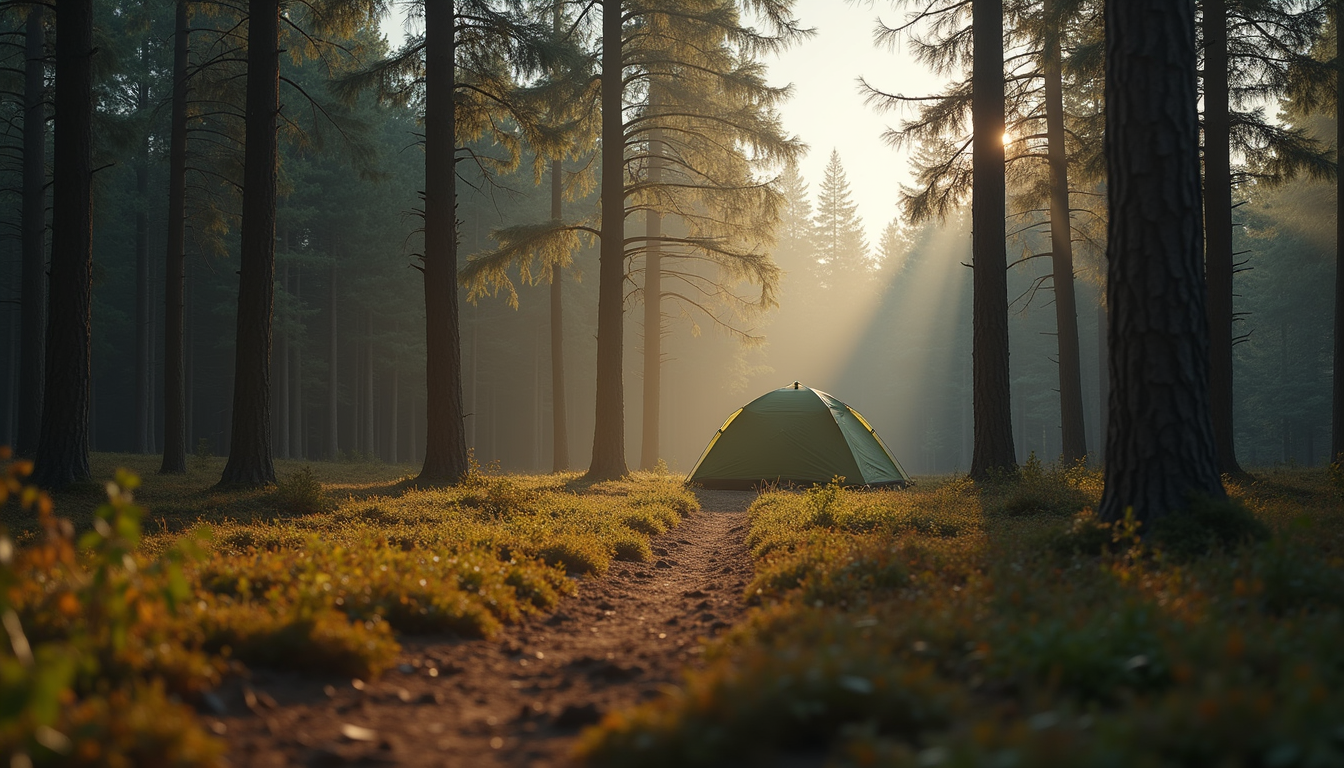
Camp Braveheart stands as a beacon of hope and healing for America's veterans and their families. Nestled in the restorative embrace of the great outdoors, our faith-centered retreats offer transformative experiences in nature: rugged hiking, peaceful camping, and soul-renewing fellowship around the campfire. Here, warriors find a safe space to decompress, reconnect with brothers and sisters-in-arms, confront invisible wounds like trauma and isolation, and rediscover purpose, joy, and community. Camp Braveheart is committed to walking alongside you—providing compassionate support and the timeless power of God's creation to foster resilience, hope, and lasting healing. Because no veteran stands alone, and every brave heart deserves the chance to thrive. Join us in the forest where courage meets grace.


PTSD
Post-Traumatic Stress Disorder (PTSD) is prevalent among veterans — Approximately 7% of all U.S. veterans experience PTSD at some point in their lives (higher than the general population's 6%), with rates reaching 15% in the past year for post-9/11 veterans and up to 29% lifetime prevalence for those who served in Iraq and Afghanistan. Female veterans face even higher risks, with about 24% diagnosed among those using VA care.

Depression Anxiety
Depression and anxiety affect many warriors — Roughly 1 in 3 veterans experience symptoms of depression, with 1 in 5 showing serious symptoms and 1 in 8 diagnosed with major depressive disorder requiring therapy and medication. Anxiety disorders have nearly doubled in diagnoses among active-duty members in recent years.

Suicide
Suicide remains a critical crisis — In 2022 (the most recent comprehensive data), approximately 6,407 veterans died by suicide — averaging about 17.6 per day — with veterans facing a suicide rate roughly 1.5–2 times higher than non-veterans (34.7 per 100,000 vs. 17.1 per 100,000). Younger veterans (ages 18–34) are at the highest risk, and suicide is the second-leading cause of death for veterans under 45.

Invisible Wounds
Invisible wounds extend beyond combat — Many veterans grapple with co-occurring challenges like traumatic brain injury (TBI), substance use disorders (including alcohol and opioids), isolation during transition to civilian life, and barriers to care such as stigma, provider shortages, and access issues — all of which amplify mental health burdens.

CAMP BRAVEHEART
The need for connection and healing is urgent — Over 2.8 million veterans are now service-connected for mental health conditions (a fast-growing category), and millions more face undiagnosed or untreated issues. Yet, with compassionate, community-based support — especially through nature, peer brotherhood, and faith-centered experiences — veterans can find hope, build resilience, and reclaim purpose.
These points underscore the silent battles many veterans fight every day and position Camp Braveheart as a vital resource for healing in the great outdoors.